DrDanae Maniatis Forests, nature and carbon markets
Advisory

Jurisdictional REDD+, restoration, and nature and carbon claims

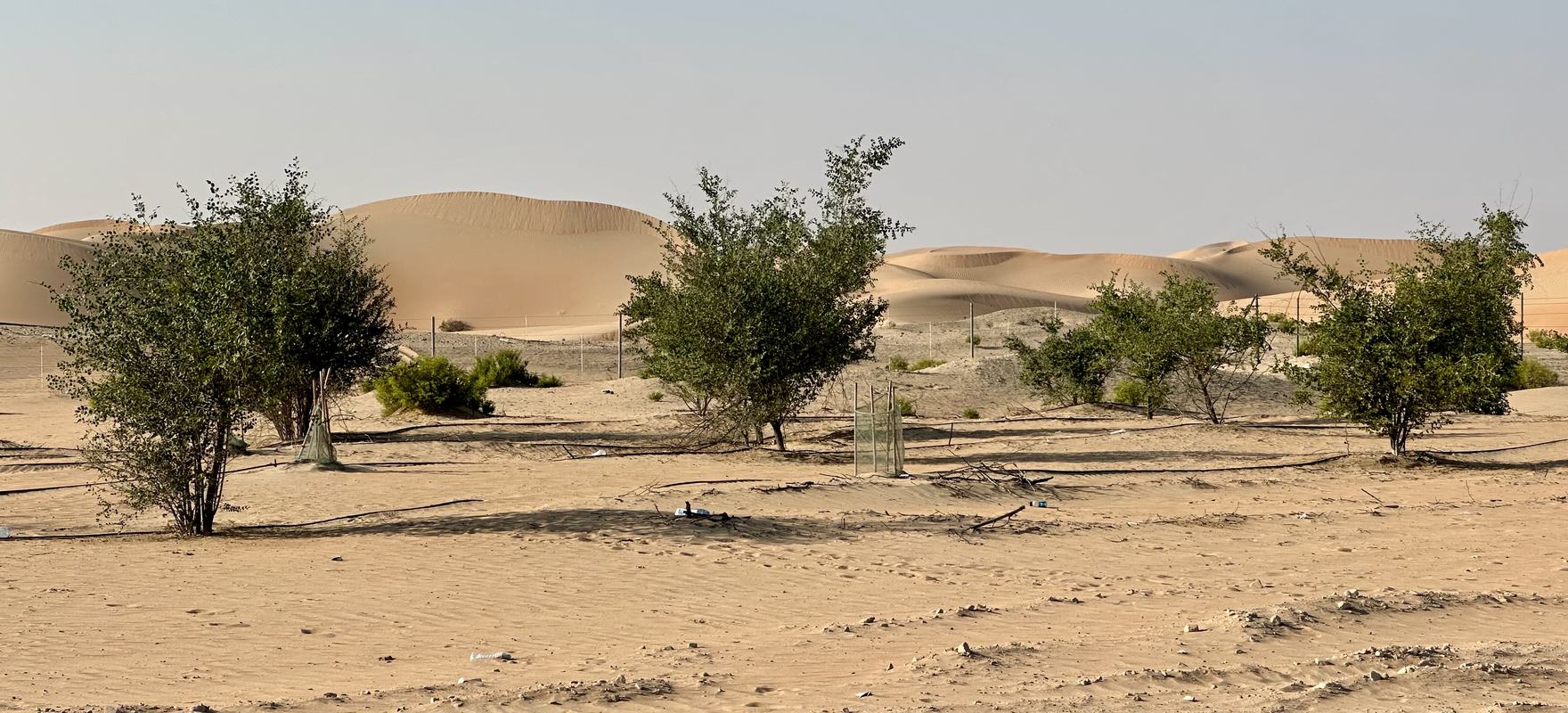
A valley of rice paddies, cleared hillsides and remaining forest under a blue sky
Forest, farmland and rice paddies, Madagascar. Photograph: Danae Maniatis

Jurisdictional REDD+, from the science to the sale of the credits

In my experience, the path from forest data to a credit that sells tends to break where one step hands over to the next. A reference level can be scientifically sound and still not hold up in an audit, a programme can be designed in a way the standard does not recognise, and a commercial strategy is often written before anyone knows what the credits will be worth. High forest, low deforestation countries face questions that the main methods are still working through.

A programme that validates, credits that find buyers, and a strategy a government or a company can stand behind.

I work in English, French, Italian and Dutch, including with government teams at ministerial level.

Get in touch

For

  • Companies that want to buy or invest in jurisdictional credits and need them to hold up
  • Funders and development partners who support forest countries
  • Governments and jurisdictions preparing programmes under ART's TREES or Verra JNR, and for their audits

The work covers

  • REDD+ national strategies and action plans
  • Reference levels and MRV
  • Readiness and audit preparation
  • High forest, low deforestation (HFLD)
  • Nesting
  • Commercialisation: CORSIA, Article 6.2, the voluntary market
  • How jurisdictional REDD+ and the TFFF fit together
  • Safeguards and benefits beyond carbon, including biodiversity

Background

  • Working on REDD+ since 2009, first with FAO in the UN-REDD Programme and then with UNDP
  • DPhil, University of Oxford, on measuring above-ground biomass in the Congo Basin for REDD+
  • Article 6.4 Expert Reviewer, selected by the UNFCCC Article 6.4 Supervisory Body for 2026 to 2028
  • In Côte d'Ivoire, I helped secure co-financing letters from the cocoa and chocolate industry for a zero-deforestation cocoa programme under REDD+
A fixed-scope place to start

Programme readiness review

A review of your programme against ART's TREES or Verra JNR, delivering a gap report and a roadmap.

Price on request
Ask about a review
Advisory · Restoration

Restoring land, from the tropics to the drylands

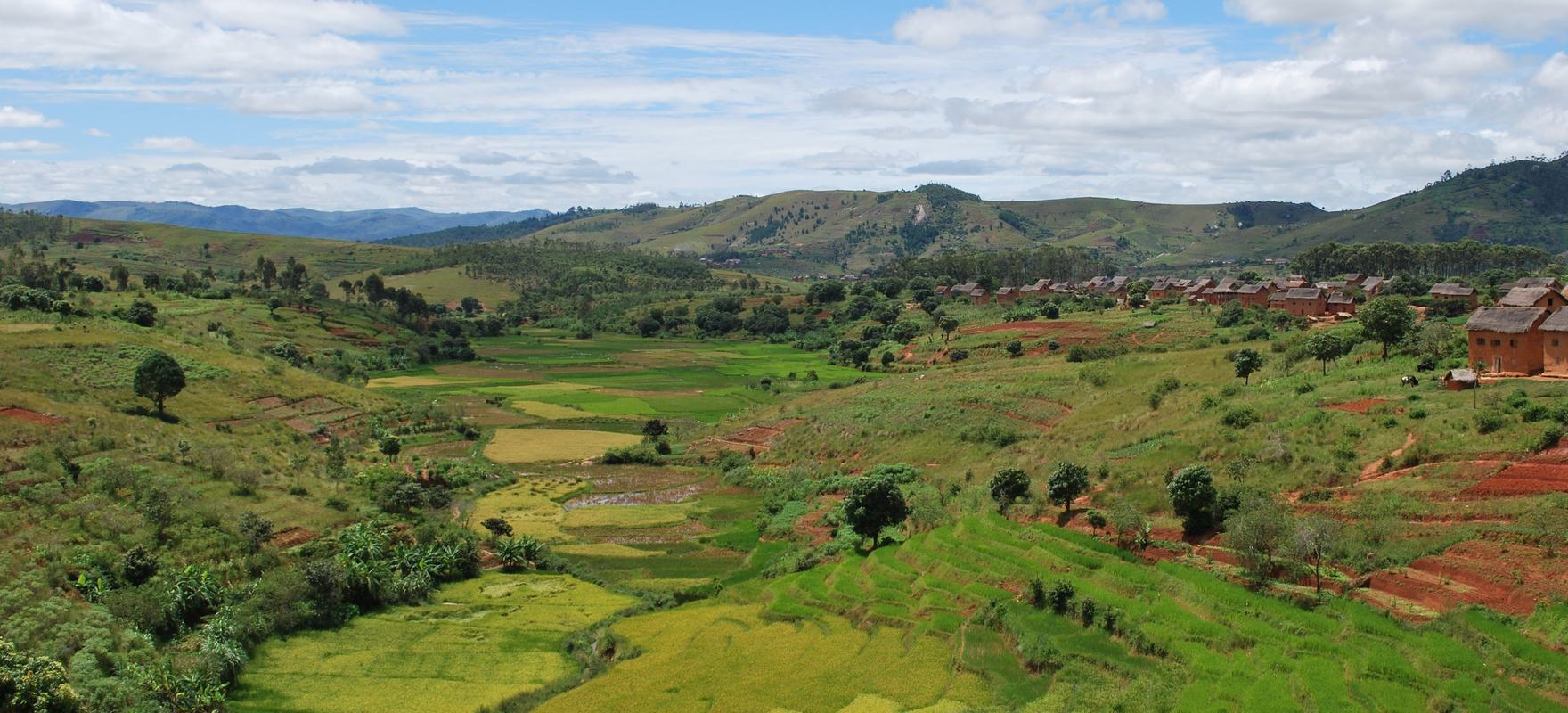
Scattered trees growing on sand in front of desert dunes
Tree planting at the edge of dunes, UAE. Photograph: Danae Maniatis

One of the questions I work on is how we grow back, and not just plant, trees and forests that can adapt to a changing climate. That question looks different in a tropical landscape, a Mediterranean one and a hyper-arid one, and I work on all three, including in the Gulf and the wider Middle East. Restoration lasts when it brings back biodiversity as well as tree cover, and when the local communities and Indigenous Peoples who depend on the land are part of it from the start.

Restoration planned by the hectare and the landscape, measured against a real baseline, with the finance to keep it going.

Get in touch

For

  • Governments and public programmes with restoration targets to meet, in the tropics, the Mediterranean basin or arid regions
  • Funders, development banks and foundations deciding which restoration to finance
  • Companies and investors that put money into restoration and want it to last

The work covers

  • Restoration strategy and priority areas
  • Land degradation baselines and monitoring
  • Finance for restoration, including payments for ecosystem services
  • Restoration in Mediterranean, arid and hyper-arid regions

Background

Advisory · Nature and carbon claims

Checking a company's nature and carbon claims before they are published

Most companies now say something about forests, nature or carbon credits in their reporting, and the rules on what can be said have tightened. The European Sustainability Reporting Standards ask how a neutrality claim rests on credits, European consumer law has banned offset-based "neutral" claims on products since September 2026, and the Science Based Targets initiative now keeps credits out of a company's own target and treats them as climate contributions, an ongoing responsibility beyond the value chain.

The weak point is rarely the arithmetic, I think. It is the claim behind the credit, and how the credit will be used: whether reduced emissions are being described as removals, whether a forest programme's baseline would hold against the host country's own accounting, whether a jurisdictional credit was authorised by the country that issued it, and whether the people living on that land were consulted. I read the claim against the standard it cites, before it is published, and say what stands and what does not. Where a company is choosing credits, I combine the Integrity Council's Core Carbon Principles label with the rating agencies' assessments and with what the company itself wants the credits to do, so that "high quality" means something specific.

I also follow the emerging market for biodiversity credits. I think it faces the questions carbon credits have already had to answer: what the baseline is, whether the gain would have happened anyway, how long it lasts, and who was consulted.

A claim you can publish and defend, with the evidence behind it.

The views on this site are my own.

Get in touch

For

  • Companies that buy, or plan to buy, forest and nature-based credits, including towards a net-zero target
  • Companies reporting under the CSRD that must answer ESRS E1-7 on credits, removals and neutrality claims
  • Investors and funds that hold nature-based projects and want an independent read of what the credits represent

The work covers

  • Choosing credits: the Core Carbon Principles label, rating agencies' assessments and the company's own objectives, read together
  • Credit portfolios: baseline, nesting into national accounting, corresponding adjustments, host-country authorisation
  • Neutrality, net-zero and removal claims against ESRS E1-7, EU consumer law and the SBTi standard
  • Nature claims: hectares, trees, "nature positive" and deforestation-free commitments against what the evidence shows
  • Safeguards: Indigenous Peoples, local communities and free, prior and informed consent in the projects behind the credits

Background

  • Article 6.4 Expert Reviewer, selected by the UNFCCC Article 6.4 Supervisory Body for 2026 to 2028
  • Nominated by Belgium to the UNFCCC roster of experts, for the review of land use, land-use change and forestry
  • Technical assessment of countries' proposed forest reference levels for the UNFCCC, under decision 13/CP.19, 2024
  • Speaker, ESG session, COIMA Real Estate Forum, 2021